
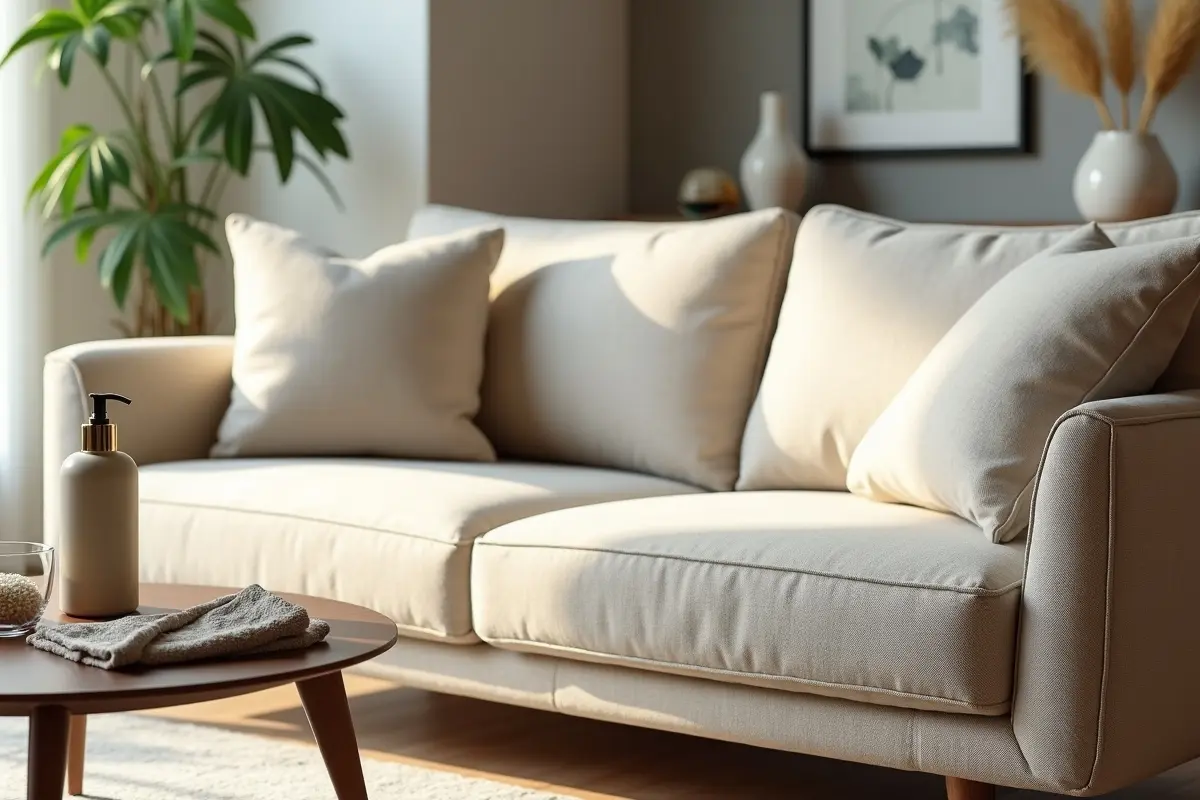
Upholstery fabrics form the cornerstone of how your furniture looks, feels, and withstands daily life. Selecting the best fabric means striking a balance between visual appeal, comfort, and long-term resilience. With numerous options available on today’s market, understanding the advantages and disadvantages of each type helps protect your investment and ensure lasting satisfaction. Whether you’re revamping a well-loved sofa or adding a new piece, good fabric knowledge—and correct care—makes all the difference. To preserve your furnishings, expert upholstery cleaning services can help extend their life and freshen their look.
Routine cleaning and selecting the most suitable upholstery fabric can significantly impact the durability and daily maintenance needs of your furniture. Each option brings unique characteristics to the table, making it essential to consider location, usage, and lifestyle before making a choice. Even with the right choice, proper care remains critical to avoiding unnecessary replacement and ensuring years of comfort and style.
While caring for upholstery, many homeowners also seek to maintain other surfaces in their house. Regular brick cleaning can keep your home’s exterior as welcoming as your living room, maintaining overall cleanliness and curb appeal.
Natural Fabrics
Cotton
Cotton is a perennial favorite thanks to its breathability, affordability, and comfort. Characteristically soft to the touch, cotton comes in numerous weaves and patterns, making it easily suitable for diverse interior schemes. It resists pilling and fading but may stain if untreated, so it’s smart to pair cotton furniture with protective coatings or slipcovers. Weekly vacuuming and prompt attention to spills will help cotton furnishings stay fresh and vibrant.
Linen
Linen boasts a signature textured aesthetic and a naturally elegant feel, making it a premium choice for both formal and casual settings. Its strong fibers offer durability, but they’re also prone to wrinkling, especially without a blend of sturdier threads. For best results, keep linen pieces in lower-traffic areas and avoid exposure to heavy moisture. Spot cleaning and gentle vacuuming will preserve the charm of linen without attracting shrinkage or shape loss.
Wool
With its robust fibers and high degree of natural stretch and resilience, wool upholstery brings warmth and insulating benefits to homes. Its ability to resist stains and odors ranks it among the easiest natural fabrics to maintain, though wool can feel coarse unless blended with softer fibers. Light brushing, vacuuming, and the occasional professional clean can keep wool pieces looking refined and feeling cozy for years. Similarly, regular brick cleaning helps maintain your home’s exterior, preserving curb appeal and preventing buildup of dirt, mold, and mildew.
Leather
Leather is the hallmark of premium upholstery—luxurious, durable, and increasingly attractive as it acquires a rich patina with age. Leather’s natural resistance to many stains makes it a practical, wipe-friendly choice for busy households, though sharp objects can easily scratch or puncture its surface. Occasional conditioning with specialized products is essential to maintain leather’s softness and flexibility. Direct sunlight can cause fading, so it’s best to place leather furniture out of harsh light whenever possible.
Synthetic Fabrics
Polyester
Polyester is a highly durable synthetic that resists wrinkling, stretching, and fading. Often blended with natural fibers for added strength, it’s especially suitable for furniture exposed to heavy use. Cleaning polyester upholstery is generally straightforward: spot-treat stains with a mild cleaner and vacuum regularly with a soft brush attachment.
Nylon
Frequently used in blends, nylon excels in resisting abrasion and maintaining its structure under stress. Its main drawback is light sensitivity, as prolonged exposure to sunlight can cause fading. Periodic rotation of cushions and placing furniture away from windows can help prevent discoloration. Nylon’s toughness also makes it suitable for busy family spaces or homes with pets.
Acrylic
Acrylic delivers a wool-like appeal with superior resistance to sunlight and moisture, making it a staple in outdoor upholstery and sunrooms. The fiber’s strength and fade-resistance keep colors bright, but cheaper varieties may pill over time. Regular brushing and quick removal of pet hair will maintain the clean look of acrylic furniture.
Microfiber
Microfiber stands out as one of the most practical choices for families, thanks to its tightly woven construction and resistance to stains. Designed to mimic the feel of genuine suede, microfiber is soft yet impressively strong. Most spills bead up on the surface, making gentle blotting an effective method. Deeper cleaning can be easily done with a damp cloth or a vacuum cleaner equipped with an upholstery attachment.
Fabric Care Tips and Maintenance
Regular Cleaning
- Vacuum all upholstery at least once a week using a soft brush attachment. Pay special attention to delicate fabrics to prevent damage to threads or nap.
- Address spills quickly by blotting—not rubbing—with a clean, absorbent cloth. Test any cleaners on a hidden section first to prevent unexpected damage.
- Yearly professional cleaning refreshes colors and removes ground-in dust, particularly for large pieces and high-traffic areas.
Stain Protection
- Fabric protectors, such as Scotchgard, can add a transparent shield against stains and are invaluable for dining room or family area furnishings.
- Machine-washable slipcovers are a practical choice for protecting against pet fur, dust, and accidental spills, especially in active households.
Wear and Tear Prevention
- Regularly rotate and flip cushions to ensure even wear and reduce the buildup of oils and grime in single spots.
- Use arm covers or decorative throws in areas subject to frequent contact, and consider setting rules against eating or drinking on upholstered pieces.
- Direct sunlight accelerates fading—use curtains or shades to filter rays and protect all types of fabric over time.
- Maintaining humidity levels inside your home will help prevent the fibers of both natural and synthetic fabrics from weakening or cracking.
Special Care for Delicate Fabrics
- Velvet and silk demand extra caution during cleaning. Minimize exposure to moisture, and revive nap or sheen using specialized brushes.
- Always keep silk upholstery away from windows and handle any stains delicately to avoid long-term fiber damage.
Becoming familiar with your upholstery fabric type, along with its specific cleaning and maintenance needs, helps maintain your furniture’s appearance and comfort for years to come. Diligent care—not just at the time of purchase, but throughout your furniture’s life—ensures your home always feels welcoming, clean, and beautiful.
Final Thoughts
Choosing the right upholstery fabric and maintaining it properly is essential for both comfort and longevity. Natural fabrics, such as cotton, linen, wool, and leather, offer a timeless appeal and unique textures, while synthetics like polyester, nylon, acrylic, and microfiber provide durability and practicality for busy households. Regular cleaning, timely stain treatment, and preventative measures—such as fabric protectors, cushion rotation, and sunlight management—will preserve the look and feel of your furniture.
By understanding your fabric options and committing to consistent care, you not only protect your investment but also create a home environment that is stylish, comfortable, and welcoming for years to come. Combining the right materials with proper maintenance ensures your upholstery remains a centerpiece of both beauty and functionality in your living space.