
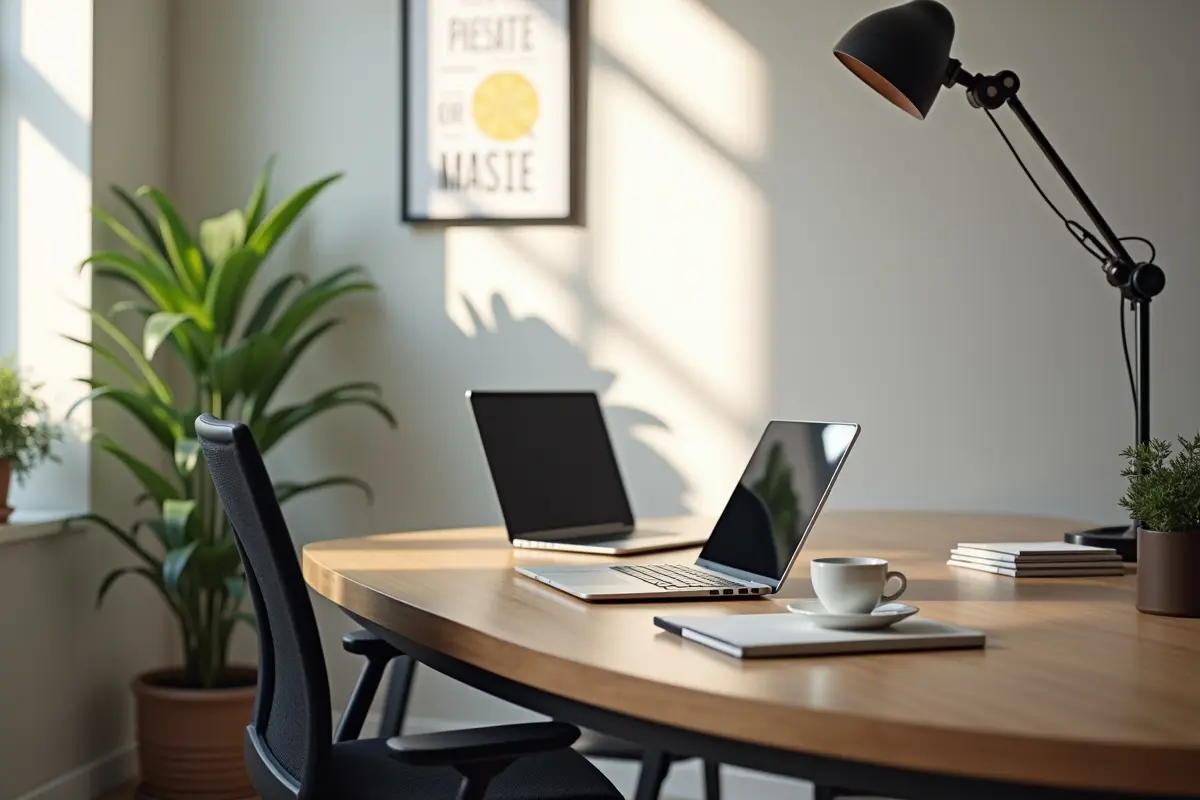
Working from home sounds great until it doesn’t. The kitchen table no longer suffices as an appropriate desk six months in. The barking dog becomes problematic on client Zooms. Constantly trying to tune out the laundry being done in the next room or the kids who are now home from school makes it impossible to get anything done. Remote workers are in constant battle mode over what environment will actually support the work they’re supposed to be getting done sans the structure of an actual office.
The thing is, not everyone needs a full time office. Many remote workers only need professional space when they need it and in such a configuration that can help them focus. But determining what such a space could actually look like requires digging deeper than first impression.
The Essentials that Actually Matter
First and foremost, contrary to anyone standing in line at a coffee shop, internet is not a luxury but a baseline from which remote workers begin. Reliable, fast internet. Without it, video calls freeze, files can’t be sent quickly and if everything is run through the cloud, good luck collaborating with minimal connection. Sure, people may enjoy working from coffee shops with “free wi-fi,” but when someone is dropped from a meeting because the bandwidth can’t support multiple platforms online, they’ll wish for anyone professional to supply their needs.
Ergonomics are more important than most people think. Even though working from home may mean the luxury of working in pajamas, sitting on a well positioned chair and desk with actual office level accommodations trump slouching at a dining room table any day. Back pain, wrist issues and neck strain are not realized until weeks down the line, and by that time, someone has already ruined their posture working without support for their body. Height accommodations for desk and chair position are beneficial when personal comfort means maximizing productivity over extended periods of time without distraction on focused work.
Then there’s the noise factor. Some people have amazing focus and can tune out anything; others at least need an acoustic controlled situation. An open coffee shop, or people working from home with roommates or family can be distracting. Having access to calm spaces where remote workers have work stations or even small phone booths for privacy bring more legitimacy into the picture, enabling remote workers to pick and choose when they want the professional setting and when they want more casual accommodations based solely on the kind of work they have that day.
Professional Accommodations Beneficial to Real Work
When remote work becomes the new norm, meeting spaces are often most vital when trying to do good business. Client presentations, group projects and other discussions need space to come alive; trying to conduct a meeting via laptop on someone’s bed with other children crying in the background isn’t exactly professional enough for people to take anyone serious. Thus, remote work accommodations must have conference rooms available with appropriate presentation materials, white boards, and appropriate backgrounds to ensure everyone sees eye to eye.
For those who need professional workspace regularly, coworking space minnesota (or another local area) offer these amenities without the commitment of long term leases. The flexibility of booking meeting rooms as needed or shared workspace when focus is required brings the best of both worlds to professionals who enjoy access to professional resources without premiums for overhead.
Printing, scanning and mailing services matter more than people think. Despite processes going mostly paperless, there are still contracts that need signatures, documents that must be scanned and emailed, and physical mail that exists in our world; having access to professional printing quality and mail addresses trumps at home printers (that jam immediately) at the most inconvenient times as well as using personal addresses on business documentation.
The Socialization and Psychological Considerations
Here’s an area not discussed enough: isolation is a huge factor for remote workers whenever they’re engaged solely by themselves day in and day out. Humans are not meant to be isolated, at least not entirely, and even introverts find solace being in proximity of other professionals despite them not being coworkers. Thus, access to coworking spaces with other professionals brings stability no one realizes until they’ve gone without it, a semblance of normalcy, although the buzz of an office can even help people work more effectively instead of the silences of home or errant noises going on during the day in private life.
Moreover, boundaries come into play. Maintaining work/home life separation is hard enough when all within one physical space; being able to walk out the door means that someone also has to walk back in after work’s over; likewise, leaving work at day’s end is no longer just shutting a laptop in the living room, it’s a tangible movement that easily transposes one’s mind from professional to personal life.
Flexibility Without the Drawbacks
There are benefits to common office life but with remote work, people could create their ideal day without separation of general working options and strictly enforced careers in predetermined locations. Quiet for focused days versus collaborative efforts versus honest work needed wherever Wi-Fi is accessible are what make people less than certain about working from home or signing onto an office setting full time; there’s an ideal solution that doesn’t require compromise solely because a space exists that could meet those needs professionally every time.
Remote workers would enjoy access to coworking office solutions (nicely outfitted) if only for when needed without compromising unnecessary expenses for spaces never used. Small teams cannot afford full time leasing options better suited for larger companies yet they rely on professionalism more than ever when it comes to client facing interactions or focused work in general on behalf of stakeholders and organizations alike; finding middle ground boasting reputable qualities while remaining financially sound becomes compromised all too often.
Ultimately remote workers want freedom of choice, the ability to work from home if beneficial but if it becomes frustrating or too restrictive at any capacity, access is needed to professional workspace when ease is found at home no longer exists before efforts become distracted. Good internet, proper adaptations, sound control if necessary, professional meeting space if need be but nothing so generalized that all solutions fall flat for personal options that make remote work so desirable in the first place.