
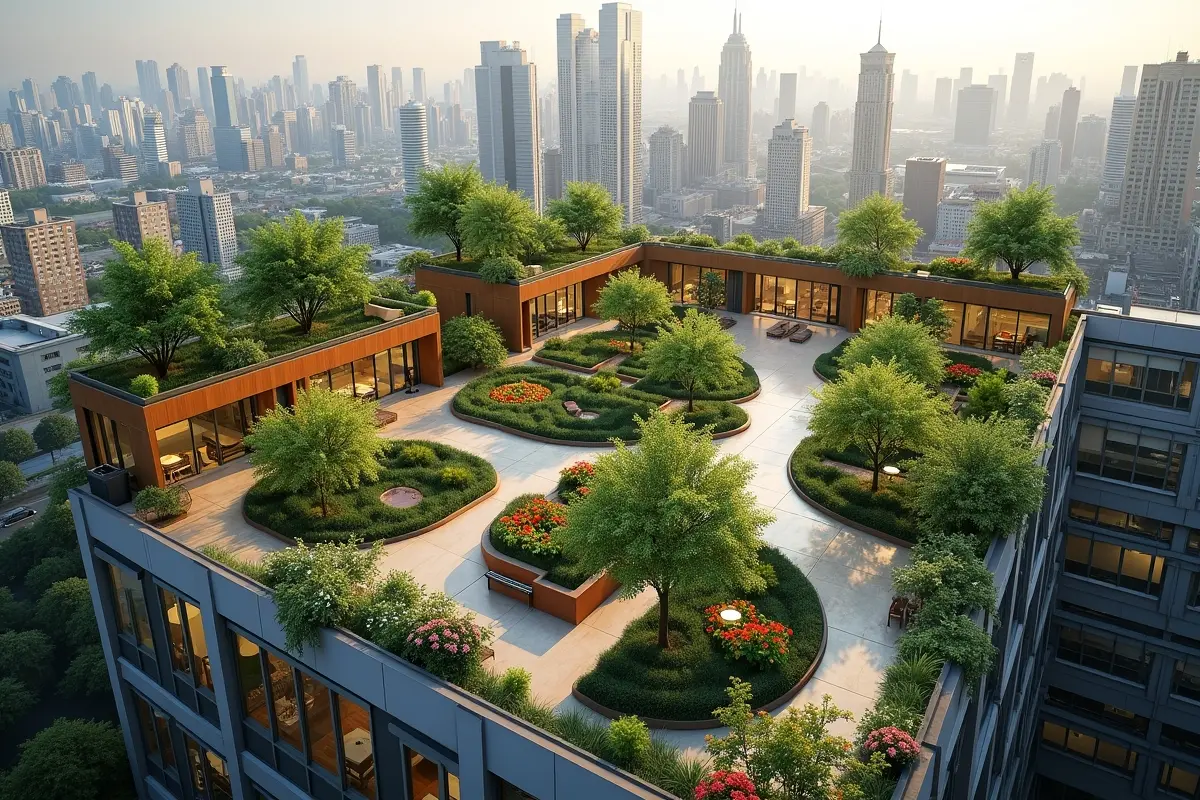
As urban landscapes grow denser, there is a heightened focus on sustainable landscaping practices that mitigate environmental impacts and enhance the well-being of city dwellers. With urban challenges such as air pollution, heat islands, and the loss of natural habitats, cities are increasingly looking for creative solutions that enhance both aesthetics and ecological health.
A vital part of this movement involves leveraging professionals, such as a Commercial Landscaper, to effectively integrate innovative landscapes into city environments. Embracing sustainability in city landscaping not only addresses environmental concerns but also brings significant quality-of-life improvements. Smart design and responsible plant selection help cities thrive by supporting biodiversity and creating inviting public spaces.
Modern cities face frequent flooding and water management challenges due to increased pavement and construction. Integrating green infrastructure, such as rain gardens and sustainable drainage systems, helps cities manage stormwater, thereby minimizing flood risks while restoring some of nature’s original functions. Moreover, exploring advancements in Irrigation systems can ensure landscapes thrive without unnecessary water waste, making urban green spaces more resilient and cost-effective.
Approaches that foster environmental stewardship and resource efficiency benefit everyone in densely populated environments. City dwellers, policymakers, and landscape professionals are collaborating to transform urban areas into models of sustainability, balancing development with ecological responsibility.
Understanding Sustainable Landscaping
The foundation of sustainable landscaping is to create outdoor environments that conserve resources, maintain harmony with regional climates, and minimize negative impacts on the ecosystem. Every design choice, from soil preparation to plant selection and irrigation, is made with long-term environmental health in mind.
Beyond its ecological benefits, sustainable landscaping can reduce ongoing maintenance costs and provide significant social and psychological benefits to urban residents, such as increased access to green spaces and reduced noise and air pollution.
Benefits of Sustainable Landscaping in Urban Areas
Urban areas that prioritize sustainable landscaping enjoy several concrete advantages:
- Temperature Regulation: Trees and plantings lower city temperatures by shading surfaces and releasing moisture, consequently reducing the urban heat island effect.
- Improved Air Quality: Vegetation acts as a natural filter, trapping airborne pollutants and dust, leading to cleaner, safer air in crowded metropolitan settings.
- Stormwater Management: Features such as permeable walkways and rain gardens absorb rainfall and reduce runoff, lessening flood and erosion risks.
- Biodiversity Enrichment: Selecting a variety of native plants supports local wildlife and pollinators, creating essential habitats and fostering urban biodiversity.
According to the Environmental Protection Agency, sustainable landscaping practices like these are key to reducing water and chemical use and improving ecosystem services.
Innovative Approaches to Urban Landscaping
State-of-the-art urban landscapes incorporate several techniques to maximize limited space while delivering environmental value.
Green Roofs and Vertical Gardens
Utilizing vertical surfaces and rooftops for plant growth maximizes green space without requiring extra land. These gardens, in addition to their visual appeal, insulate buildings and naturally filter pollutants, reducing energy consumption and improving urban comfort.
Use of Native and Drought-Tolerant Plants
Planting species adapted to the local climate drastically reduces water use and minimizes the need for fertilizers or pesticides. Native plants are especially important as they provide food and shelter for indigenous species, reinforcing local ecosystems.
Permeable Surfaces and Rain Gardens
Replacing concrete with permeable materials in walkways, plazas, and parking lots allows rainwater to filter naturally into the ground. Rain gardens, planted depressions designed to collect runoff, filter contaminants, and relieve pressure on stormwater systems, resulting in cleaner waterways and reduced flood risks.
Community Involvement
City residents increasingly want to take part in shaping their local environments. Community gardens, participatory planning sessions, and neighborhood volunteer days not only foster pride and stewardship but also lead to spaces that better serve the needs of the people who use them.
Challenges and Considerations
Despite its advantages, sustainable landscaping in urban environments faces several hurdles. The initial capital required for green infrastructure can be higher than that for conventional landscaping. However, these upfront investments typically pay off over time through savings on water, energy, and maintenance costs.
Maintenance often requires skilled workers with expertise in sustainable practices, prompting cities to invest in targeted training and education. Lastly, limited space in dense cities calls for inventive solutions that integrate greenery into rooftops, facades, and underutilized public lands.
Conclusion
Sustainable landscaping represents a vital shift in how cities respond to the pressures of development and climate change. By prioritizing eco-friendly strategies and encouraging active community participation, urban environments can become greener, healthier, and more functional for everyone. Professionals, city leaders, and residents who advocate for environmentally responsible landscaping are helping to shape the sustainable cities of the future.