
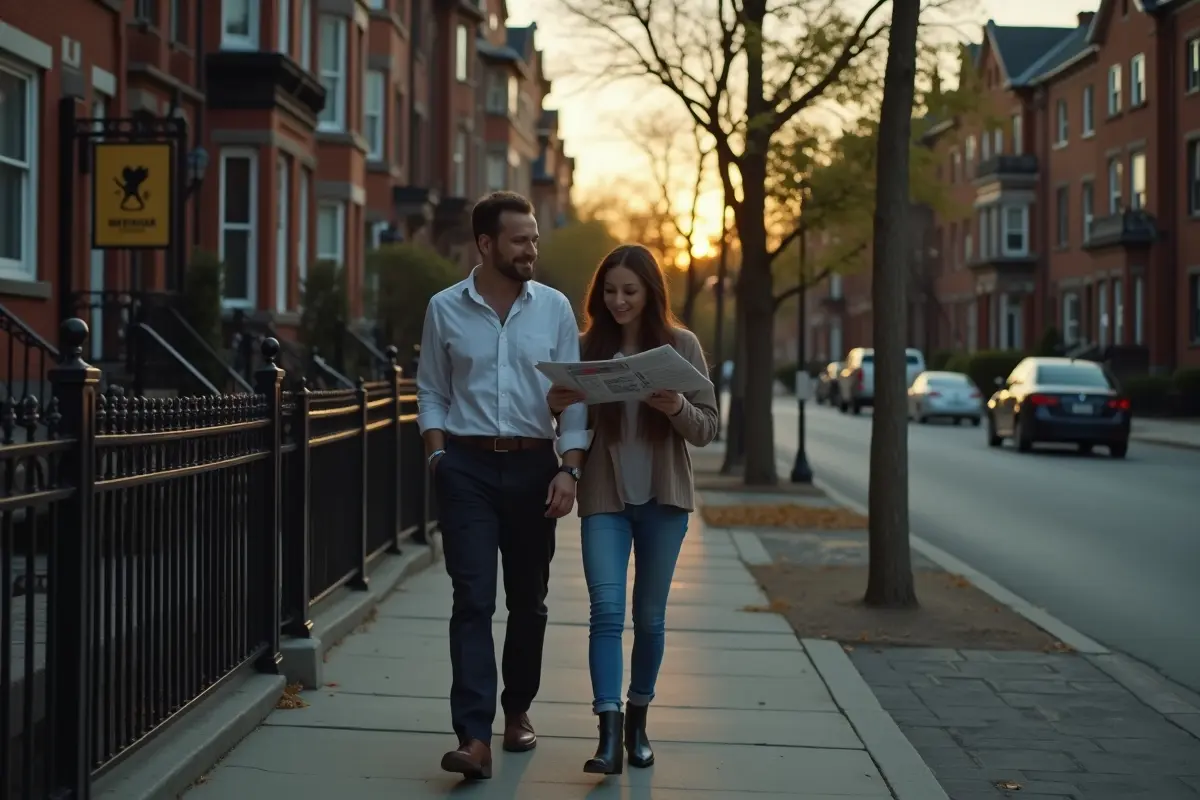
Buying a home in Toronto, Ontario, is easier to manage when you treat it as a series of practical decisions rather than one high-pressure event. For buyers considering East Toronto, The Beaches, or nearby communities, Toronto, CA real estate experts DeClute Real Estate offer buying and selling support rooted in local neighborhood knowledge. DeClute Real Estate is a Toronto-based firm with a long-standing East End connection, including four generations of local real estate experience, which can be useful when comparing streets, property types, and daily-life trade-offs.
Whether you are a first-time buyer, moving for more space, downsizing, or relocating within the city, a clear plan helps you focus on what matters. The best purchase is not always the largest home you can finance. It is the property, location, and monthly cost that fit your life now and leave room for the future.
Why a Simple Plan Helps Toronto Buyers
A home purchase involves far more than choosing a kitchen or counting bedrooms. You may need to weigh commute time, transit access, property taxes, maintenance responsibilities, school needs, condo rules, and the cost of future repairs. A structured process reduces the chance of overlooking an important detail because a home looks appealing during a short showing.
Step One: Set a Realistic Home-Buying Budget
Start with the total monthly housing cost, not just the mortgage payment. Include property taxes, home insurance, utilities, parking, condo fees where applicable, and a reasonable maintenance allowance. The federal government’s guidance on buying a home also notes that closing costs can include legal fees, inspections, title insurance, and property tax adjustments.
Costs to account for before making an offer
- Down payment and deposit
- Mortgage payment and interest-rate changes at renewal
- Property taxes and insurance
- Condo fees, if the property is a condominium
- Inspection, appraisal, legal, and moving costs
- Immediate repairs, furnishings, or utility setup
Step Two: Get Mortgage-Ready Before Touring Homes
A mortgage pre-approval can help establish a working price range before you become attached to a particular listing. It also gives you time to understand the lender’s requirements and organize documents such as proof of income, savings records, and information about existing debts. When comparing mortgages, look beyond the rate. Payment flexibility, prepayment privileges, portability, penalties, and the term length can all affect the long-term cost and convenience of the loan.
Step Three: Choose a Neighborhood That Fits Daily Life
Toronto neighborhoods can feel very different from one block to the next. Visit at more than one time of day, especially if commute patterns, street activity, parking, or noise matter to you. A smaller home near reliable transit, grocery stores, parks, and the people you see regularly may be a better fit than a larger property that adds stress to every weekday.
- Test the commute during a typical workday.
- Walk to transit, shops, parks, and other routine destinations.
- Check nearby schools and childcare options if they are relevant to your household.
- Look for construction activity and ask about planned changes nearby.
- Compare the housing types and typical upkeep needs across nearby areas.
Step Four: Match the Property Type to Your Plans
Each property type creates a different balance of space, maintenance, privacy, and rules. Condos may offer shared amenities and less exterior upkeep, but buyers should examine fees, reserve fund information, rules, and potential major projects. Townhomes can provide more room while retaining some shared responsibilities. Semi-detached and detached homes may provide more private outdoor space, but owners usually take on more direct maintenance.
Step Five: Review the Home Before Falling in Love With It
During a viewing, look beyond furniture, paint, and staging. Pay attention to signs of moisture, the condition of windows and doors, basement cracks, roof age, heating and cooling equipment, plumbing updates, and electrical work. Ask whether permits were obtained for major renovations. For a condominium, request and review available status documents with appropriate professional advice.
A qualified home inspector can identify visible concerns and help you understand which issues may require further review. An inspection does not guarantee that a property has no defects, but it can help buyers make a more informed decision.
Step Six: Know the Costs Beyond the Purchase Price
Toronto buyers should plan for provincial land transfer tax and, in many cases, the City of Toronto’s municipal land transfer tax. Eligibility rules and rebate programs can change, so review Ontario’s current land transfer tax information before finalizing your budget. Your lawyer can also explain the taxes, adjustments, and registration costs that apply to your specific transaction.
- Provincial and municipal land transfer taxes
- Legal fees and disbursements
- Title insurance
- Property tax and utility adjustments
- Moving expenses and immediate maintenance work
Step Seven: Build a Clear Offer Strategy
A competitive offer is not the same as an unlimited offer. Decide your maximum price before negotiations begin, and consider the terms that protect you. Depending on the property and circumstances, conditions related to financing, inspection, document review, or the sale of an existing home may be appropriate. Because offer terms can create significant obligations, buyers should obtain legal and professional advice before removing conditions or making an unconditional commitment.
Step Eight: Prepare for Closing Day
Once an offer is accepted, the work continues. Send the signed agreement to your real estate lawyer, meet lender deadlines, arrange insurance, and review the statement of adjustments. Before closing, complete a final walkthrough to confirm the property is in substantially the expected condition and that included items remain in place.
Common Mistakes to Avoid
- Shopping at the very top of the approved mortgage amount.
- Focusing only on the list price instead of total ownership costs.
- Ignoring condo fees, reserve fund information, or special assessment risk.
- Skipping document review or failing to ask about renovations and permits.
- Choosing a neighborhood based only on listing photos.
- Making an unconditional offer without understanding the risk.
Make Each Decision in the Right Order
Buying a Toronto home becomes more manageable when you begin with the budget, study the neighborhood fit, inspect the property carefully, calculate the true closing costs, and write an offer that reflects your circumstances. A thoughtful process cannot eliminate every surprise, but it can help you move from viewing to closing with greater confidence and fewer missed details.