
Water damage is one of the most challenging issues homeowners face, causing not only structural problems but also potential health risks and costly repairs. Proactive steps are critical in minimizing the risk of unexpected water disasters. You can greatly improve your home’s resilience by understanding how issues develop and acting before problems arise. For those dealing with urgent issues, water damage restoration services can help address damage swiftly and efficiently while highlighting the importance of preventive care.
From hidden pipe leaks to unexpected heavy storms, water can find many ways to invade your living space. Early identification of risks and regular maintenance are the foundation of a strong prevention plan. These strategies can save money, protect your health, and keep your family safe in your home.
This guide will explore tried-and-true methods for keeping water at bay. We’ll detail how regular inspections, keeping essential home systems up to date, and knowing how to respond in emergencies all contribute to a well-protected property.
Alongside general water protection, it’s crucial to consider the impact of severe weather. If your area experiences flooding or harsh storms, having a plan for addressing immediate threats and prompt storm damage restoration is equally important. Both water and storm response are fundamental parts of a comprehensive home care strategy.
Regularly Inspect Plumbing
Routine plumbing inspections are among the most effective ways to prevent water damage. Even minor leaks can cause substantial harm if ignored, allowing mold growth and structural rot to develop in hidden areas. Periodically check visible pipes under sinks, behind toilets, and near water heaters for dripping, corrosion, or discoloration, which can be early indicators of a problem. Prompt repairs can save extensive time and money in the long run.
Maintain Roof and Gutters
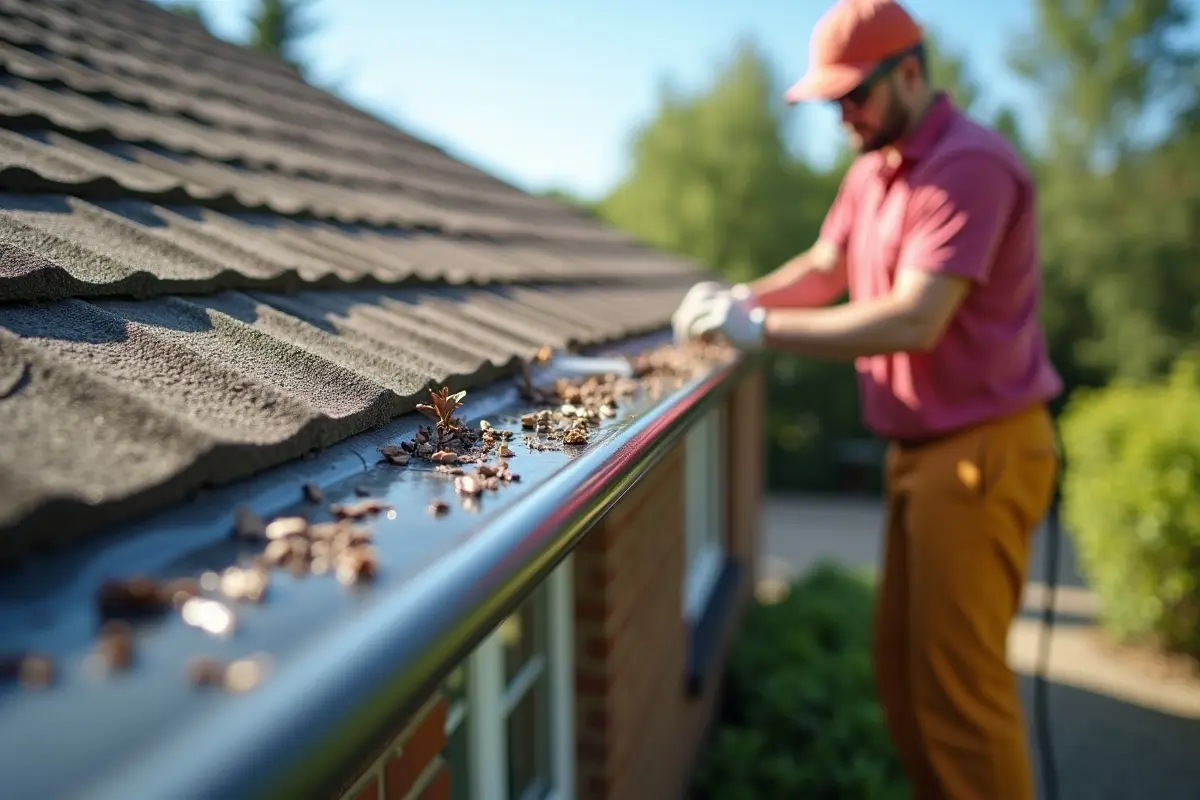
Your roof and gutter systems are your home’s first line of defense against water intrusion. Loose, cracked, or missing shingles create gaps through which water can penetrate the roof, especially during heavy rain. Make it a habit to look for shingle or flashing damage and schedule annual roof inspections by a professional. Additionally, keeping gutters clean and free of leaves and debris ensures water is properly channeled away from your foundation, greatly reducing the risk of basement leaks.
Install Water Leak Detectors
Modern technology makes it easier than ever to catch small leaks before they become major problems. Water leak detectors, available in both smart and basic electronic models, notify you as soon as moisture is detected in vulnerable parts of the home, such as basements, bathrooms, laundry rooms, or near appliances. Smart detectors can send alerts to your phone, helping you take action even when you are not at home.
Monitor Water Pressure
Many homeowners overlook water pressure, yet it directly affects the lifespan of their plumbing. Pressures above 60 psi can increase wear on pipes, joints, and appliances, raising the likelihood of leaks or bursts. Using a water pressure gauge is simple, and if the reading is too high, a pressure regulator can be installed to maintain safe levels. Keeping your pressure within the 40-60 psi range is a best practice for overall plumbing health.
Know Your Water Main Shutoff
In a plumbing emergency, the ability to swiftly turn off your home’s main water supply is essential for minimizing damage. Locate and clearly label your shutoff valve, and make sure all adults in the home are familiar with its operation. Quick shutoff can prevent further flooding if a pipe bursts or a major leak is discovered.
Insulate Pipes
Cold weather presents another major risk to water systems: frozen and burst pipes. Insulate pipes in unheated areas such as attics, garages, and crawl spaces to help prevent freezing during winter months. As an extra precaution, allow a slow drip from faucets on the coldest nights to keep water flowing and further protect against freezing.
Grade Landscape Away from Home
Proper landscaping can protect your foundation and basement from excess runoff and standing water. Ensure the ground around your home slopes away from the structure. A gentle grade encourages rainwater to flow away from the foundation walls rather than pooling against them, reducing the risk of seepage and long-term structural issues.
Maintain Appliances
Appliances such as washing machines, dishwashers, and water heaters are common sources of interior water leaks. Regularly inspect water supply lines, hoses, and drainage systems for cracks or signs of wear. Replacing hoses on schedule, particularly those made of rubber, and using high-quality stainless-steel-braided options can help prevent accidental leaks.
Install Sump Pump with Battery Backup
For homes prone to basement flooding, a sump pump is essential. It automatically removes water that collects in the sump basin, especially during heavy rain or rapid snowmelt. A battery backup system ensures your sump pump continues to operate during power outages, providing uninterrupted protection when you need it most.
Respond Quickly to Leaks
Among all preventive steps, quick response is the most important when problems occur. If you spot water stains, dripping, or pooling, take immediate steps to identify and fix the source. Early intervention can minimize restoration costs and reduce your risk of mold or structural problems. For more complex issues, professionals specializing in water restoration can help thoroughly eliminate hazards and prevent recurring problems.
Following these measures ensures your home remains well protected from the potentially devastating effects of water damage. Consistent maintenance, awareness of risk factors, and proper preparation are the keys to a safe and dry living environment.
Conclusion
Preventing water damage starts with consistent maintenance and a proactive home care approach. By regularly inspecting plumbing, maintaining your roof and gutters, monitoring water pressure, protecting vulnerable appliances, and responding quickly to leaks, you can significantly reduce the risk of costly repairs and structural damage. Taking these preventive measures not only helps preserve your home’s value but also creates a safer, healthier, and more resilient living environment for years to come.