
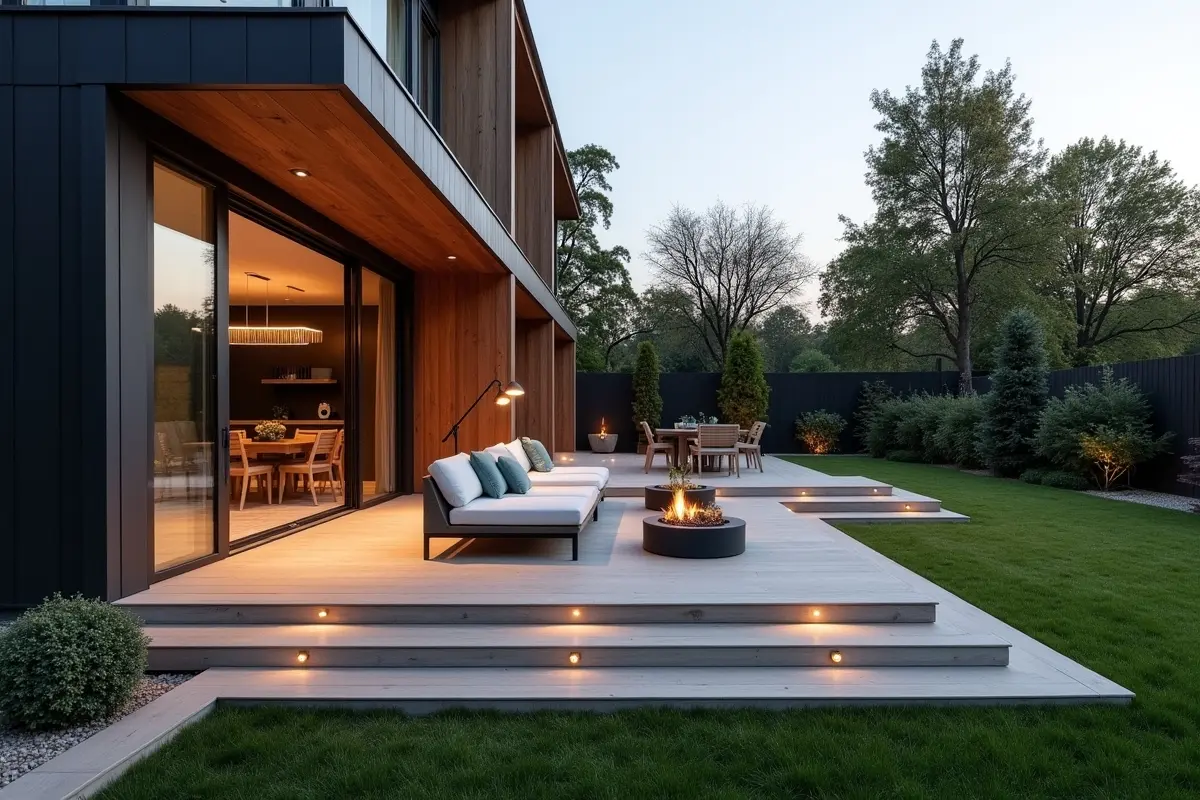
Transforming your backyard into an inviting, functional outdoor escape is becoming increasingly popular among homeowners. Modern deck design is redefining the possibilities, offering new standards for style, sustainability, and comfort. If you are beginning a project in outdoor living, exploring innovative options for Deck Construction can offer inspiration and guidance as you consider the possibilities for your own space.
With changing lifestyles and a renewed emphasis on connecting with nature, decks are becoming true extensions of the home, designed for year-round enjoyment. As you plan, it is important to consider how various elements, from material choice and technological features to furniture color trends, can transform your outdoor space into a sanctuary that fits your unique needs. These evolving trends are not just about aesthetics, but about maximizing usability and comfort while harmonizing with the environment.
Choosing the right approach means considering durability, ease of maintenance, and design flexibility. Homeowners now have more choices than ever before, including traditional wood and new composites, as well as options for custom accents and built-in features. In addition to decks themselves, high-quality Metal Fabrication plays a key role in crafting custom railings, pergolas, and outdoor kitchen elements that enhance both function and visual impact.
Minimalist Designs
Contemporary deck styles emphasize simplicity, with clean lines and uncluttered space as focal points. Minimalist design approaches feature sleek metal railings, monochromatic or neutral color palettes, and expansive, open layouts. This simplicity not only keeps the focus on the surrounding landscape but also creates calm, organized environments ideal for unwinding and entertaining.
Homeowners are gravitating toward understated elegance and functionality, away from ornate woodwork and heavy detailing. This shift aligns with the principles of tranquility and mindfulness, which have become increasingly important in home design.
Sustainable Materials
Environmental responsibility is shaping how decks are built. Sustainable options like composite decking, constructed from recycled plastics and woods, provide longevity with minimal upkeep. These materials resist warping, splintering, and fading, making them ideal for various climates and high-traffic use.
Additionally, responsibly sourced natural woods, including cedar and redwood, remain top choices for their beauty and innate resistance to insects and decay. Reducing reliance on chemical treatments ensures outdoor spaces stay healthier for families, pets, and the ecosystem. Innovations in eco-friendly construction methods also support sustainability by cutting waste and resource consumption.
Multi-Functional Spaces
Current trends transform decks into dynamic “outdoor rooms” that serve multiple purposes. Zones for dining, cooking, and lounging are defined using built-in seating, outdoor kitchens, and even fire features. Many homeowners are adding weather-resistant entertainment systems and retractable canopies that allow for year-round relaxation and hosting.
By designing spaces for flexibility, you can create an environment that adapts to casual weekday evenings, weekend gatherings, or serene moments of solitude. Built-in planters, benches, and creative storage ensure decks remain organized while providing all the amenities needed for successful outdoor living.
Integrated Technology
Smart innovations continue to enhance the enjoyment and ease of outdoor living. Weatherproof sound systems, discreet lighting controlled via mobile apps, solar-powered accent lights, and integrated heating panels extend deck use well into the evening or cooler seasons. Wi-Fi extenders and power points enable remote work or movie nights under the stars. Incorporating technology within the design phase allows these features to blend seamlessly into the deck’s aesthetic, keeping surfaces clean and clutter-free for a truly modern result.
Bold Color Palettes
Although muted shades continue to dominate as foundational colors, many designers are weaving bold tones into accessories and soft furnishings. Bright blues, energetic yellows, and deep reds provide pops of personality, energizing outdoor landscapes while offering opportunities for seasonal change. Complementing these tones with natural textures – such as stone, metal, and wood – adds visual interest without overwhelming the space. Carefully chosen color palettes help define seating zones and make outdoor living areas as expressive as the home’s interior.
Vertical Gardens
Utilizing vertical surfaces is an efficient way to introduce greenery and achieve greater privacy. Planters mounted on fences or privacy walls and trellises adorned with flowering vines or herbs transform decks into lush, garden-like retreats. Vertical landscaping is especially useful in smaller spaces where ground area is at a premium. It also promotes biodiversity and fosters a calming, restorative atmosphere. These features combine aesthetic benefit with sustainability, supporting pollinators and improving air quality around the home.
Layered Lighting
Strategically placed lighting can turn decks into warm, inviting spaces for any occasion. A combination of recessed stair lights, subtle wall sconces, string lights, and path illumination adds safety and ambiance. Layered lighting lets you adjust brightness to suit gatherings, quiet evenings, or decorative highlights. Choosing warm, dimmable LEDs maximizes energy efficiency and ensures the deck remains inviting after sunset.
Seamless Indoor-Outdoor Flow
Unifying the visual and functional connection between the home’s interior and the deck is a growing design priority. Large glass doors, harmonized flooring, and cohesive color schemes erase the barrier between inside and outside. Decks become true extensions of living and dining rooms, creating a sense of openness and continuity.
This integration also encourages frequent use of outdoor spaces, effectively expanding the home’s usable square footage. By embracing these trends, your outdoor living area can become a stylish, sustainable, and adaptable haven, a place where modern design and natural beauty truly coexist.
Conclusion
Modern deck design continues to evolve into a seamless blend of style, sustainability, and everyday functionality. By incorporating minimalist layouts, eco-friendly materials, multi-functional spaces, and smart technology, homeowners can create outdoor areas that are both visually appealing and highly practical.
Features such as layered lighting, bold accents, vertical gardens, and seamless indoor-outdoor flow further enhance comfort and usability while strengthening the connection to nature. With thoughtful planning and the right combination of design elements, a modern deck can transform any backyard into a versatile, inviting retreat that adds lasting value, beauty, and enjoyment to the home.