
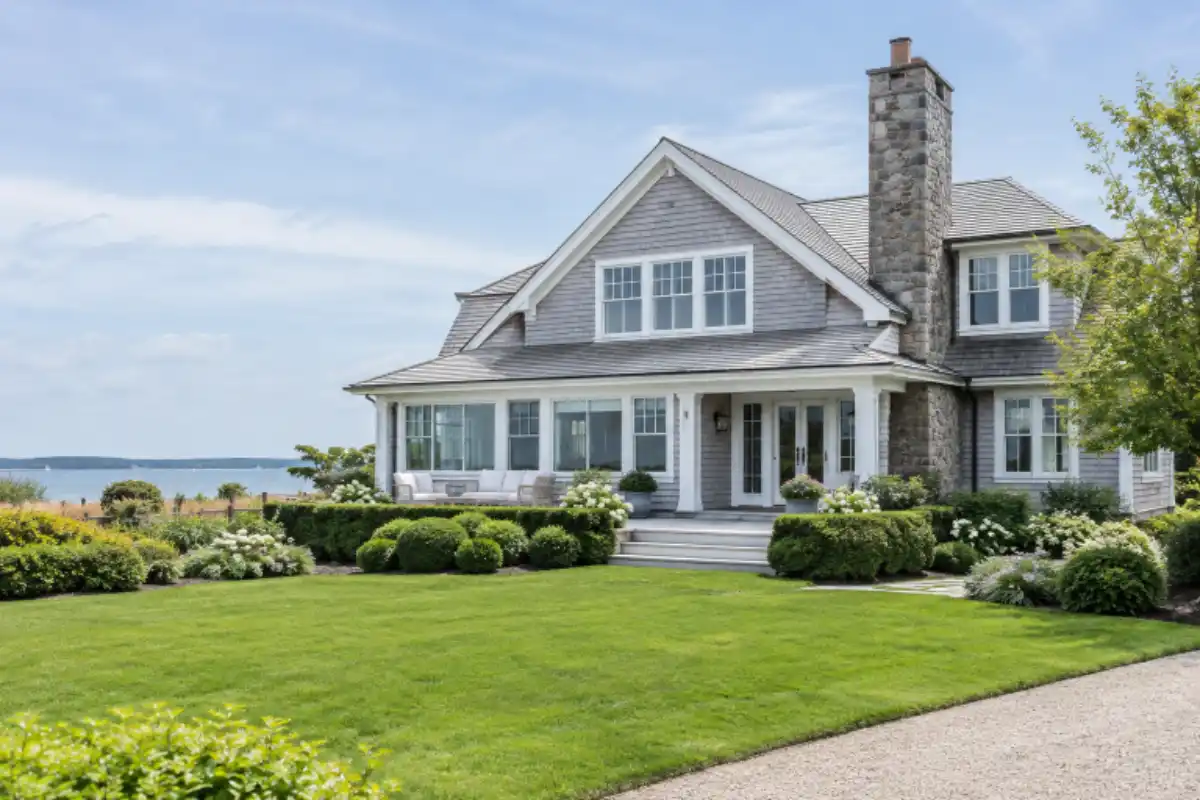
Buying near the water in Southampton is about much more than a dramatic view or a short drive to the beach. The best choice balances the way you plan to use the home with its setting, condition, carrying costs, access, and long-term flexibility. When researching Southampton NY homes for sale, buyers can use the Breitenbach Advisory Team’s Southampton luxury real estate portfolio to compare properties listed for sale, rent, and previously sold.
As a Southampton-based luxury real estate group serving communities across the Hamptons, including Bridgehampton, Water Mill, East Hampton, Amagansett, and Montauk, the team provides a useful local reference point for understanding the different property types and settings available.
Start With the Lifestyle Goal
A Southampton coastal property can serve very different purposes. A full-time household may need dependable year-round access, storage, nearby services, and an efficient layout. A seasonal owner may place greater value on guest suites, pool areas, outdoor entertaining spaces, and proximity to the ocean or the village. Investors and multigenerational buyers may have separate priorities involving privacy, flexible bedroom arrangements, parking, and maintenance oversight.
Before touring homes, write down the nonnegotiables. Consider how often you will use the property, how many guests you expect, whether you need a home office, and how much exterior upkeep you are willing to manage. A beautiful waterfront setting can still be the wrong fit if the layout, access, or operating demands work against your normal routine.
Compare Southampton Coastal Locations Carefully
Terms such as oceanfront, bayfront, waterfront, water view, and near beach are not interchangeable. Oceanfront homes may offer direct beach proximity and open views, while bayfront or creekside properties may appeal to buyers seeking boating access or sheltered water. A water-view home may have visual appeal without direct shoreline rights, and a near-beach address may require a drive, a walk, or access through a designated entry point.
Visit promising areas more than once. A street can feel entirely different on a summer weekend, during a weekday morning, or in the quieter off-season. Check routes to Southampton Village, grocery stores, medical services, restaurants, beaches, marinas, and major roads. Also note traffic patterns, nearby public access points, privacy, noise, and visible construction activity, all of which can affect daily enjoyment and future buyer appeal.
Review Flood Exposure Before Falling in Love With a Property
Flood exposure should be researched by exact address, not by a broad neighborhood label. Start by reviewing official flood-hazard information by address, then ask for available elevation documentation, surveys, drainage details, and records of past water intrusion or flood-related repairs. The way water moves across a specific lot can matter as much as the home’s distance from the shoreline.
A flood map is an important screening tool, but it is not a substitute for a property inspection, a boundary survey, an elevation certificate, or an insurance quote. Discuss the home’s particular conditions with qualified inspectors, insurance professionals, and legal advisers before removing contingencies. Ask whether drainage features, crawl spaces, lower levels, mechanical systems, and access drives have been affected by heavy rain, tidal conditions, or storm events.
Build the Full Cost of Ownership
Two Southampton homes with similar asking prices can have very different annual costs. Build a realistic budget that includes property taxes, homeowners insurance, potential flood and wind coverage, utilities, landscaping, pool care, security, cleaning, and routine repairs. Waterfront features can add additional responsibilities, including dock, seawall, bulkhead, or boat lift maintenance, where applicable.
Create two versions of the budget. The first should cover expected annual spending. The second should account for higher-cost years, such as replacing exterior components, repairing storm damage, servicing mechanical systems, or completing shoreline work. Getting property-specific insurance estimates before making an offer helps reveal whether a home fits your actual comfort level, not just your borrowing capacity.
Inspect for Coastal Wear and Verify Water Access
Coastal exposure warrants a careful review of the roof, flashing, gutters, windows, exterior doors, siding, paint, decks, railings, drainage, and foundation areas. Salt air, moisture, and wind can place added demands on exposed finishes, metal components, HVAC equipment, and exterior hardware. An experienced coastal inspector can help distinguish normal aging from conditions that may require near-term repair.
Do not assume a waterfront address includes private beach access, a usable dock, or unrestricted boating. Review the survey, title materials, easements, permits, shoreline boundaries, water depth, and bridge clearance where relevant. If a dock, bulkhead, seawall, stairs, or boat lift is central to the purchase, consider a specialist review of its condition, ownership, and maintenance obligations.
Consider Long-Term Coastal Conditions
Elevation, drainage, tidal flooding, and shoreline exposure can affect future maintenance, insurance availability, and resale considerations. Buyers can use broader coastal-flooding scenarios to understand the regional context, but these map-based tools are not property-specific predictions. They do not replace a site visit, professional inspection, or local due diligence.
Ask practical questions about future flexibility. Is there room to improve drainage or relocate equipment? Are important systems elevated or otherwise protected? Does the lot’s configuration make future work more complicated? Thinking through these issues before purchase can help buyers compare homes on more than visual appeal.
Use a Simple Pre-Offer Checklist
- Define the home’s intended use and must-have features.
- Review flood information, elevation details, drainage, and insurance estimates.
- Inspect the roof, windows, HVAC, exterior materials, and maintenance records.
- Confirm beach access, dock rights, permits, easements, and shoreline boundaries.
- Compare recent sales with active listings, accounting for differences in condition.
- Estimate near-term repairs, routine maintenance, and higher-cost contingency needs.
- Visit the home and surrounding area at more than one time of day or season.
Common Buyer Questions
Does a water view always add value?
Not automatically. Value depends on the quality and durability of the view, privacy, orientation, access, condition, and buyer demand. A partial view can be appealing, but it may not carry the same practical or emotional value as direct water access.
Is new construction always the safer choice?
Newer homes may have updated systems and materials, but buyers should still evaluate drainage, workmanship, permits, maintenance requirements, and location-specific exposure. Age alone does not determine whether a property is the better long-term choice.
How should buyers compare two similar homes?
Score each property based on location, access, condition, insurance, taxes, maintenance, privacy, layout, and resale appeal. The strongest Southampton coastal purchase is not always the largest or most scenic home. It is the one that best balances lifestyle, risk, ownership costs, and future options.
Conclusion
Buying a coastal home in Southampton means balancing the appeal of waterfront living with the practical responsibilities that come with it. Review flood exposure, insurance costs, shoreline rights, property condition, and ongoing maintenance before committing to a purchase.
Property-specific inspections, surveys, and realistic ownership budgets can help uncover risks that a beautiful view or attractive listing may distract from. With careful due diligence and local guidance from the Breitenbach Advisory Team, you can choose a Southampton property that supports your lifestyle while remaining a sound long-term fit.