
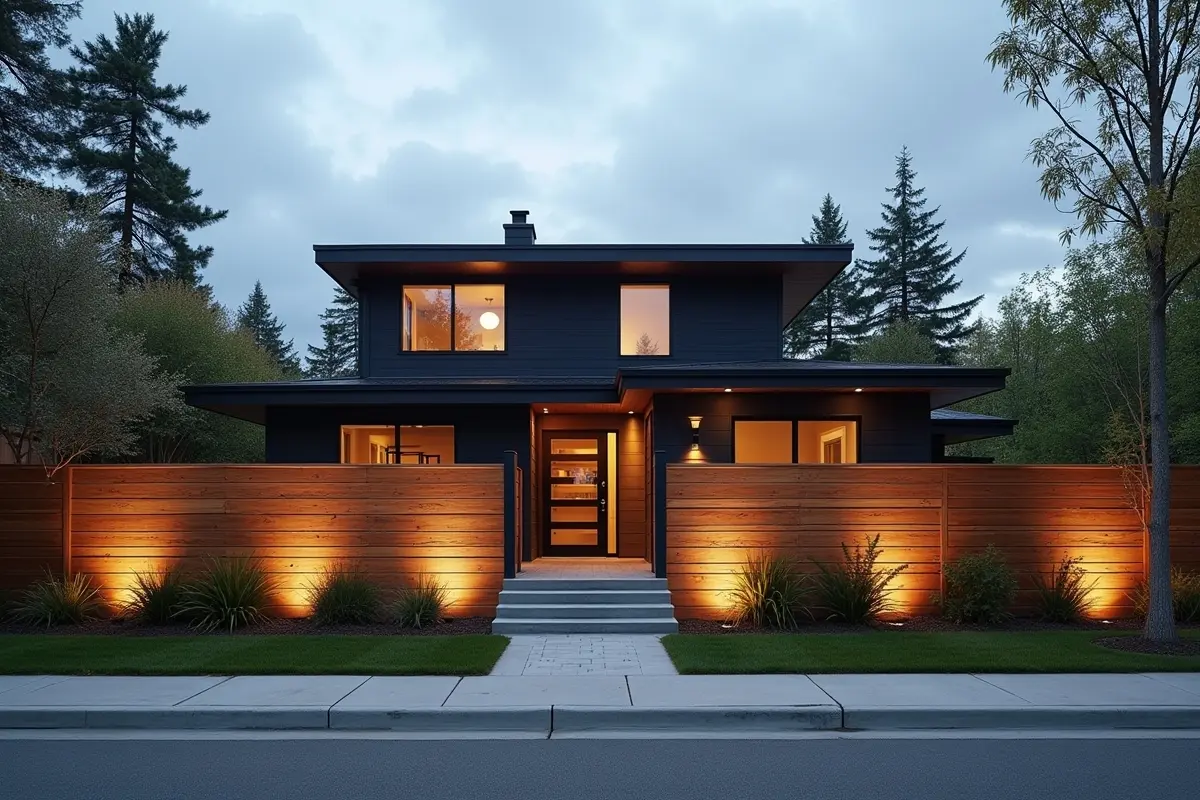
A fence can create privacy, define an outdoor space, protect a garden, or help contain children and pets. When comparing fences, begin with the job the finished structure needs to do instead of choosing solely by appearance.
The right choice depends on the property’s layout, local rules, maintenance expectations, budget, and the amount of visibility or separation desired. A well-planned fence should work with the home and landscape while serving a clear everyday purpose.
Start With the Purpose of the Fence
Every fence involves tradeoffs. A solid backyard enclosure may be ideal for privacy, but it feels too closed-in along a front walk. An open metal design can frame a landscape attractively, yet it will not block views or wind. Identify the main goal first: privacy, pet containment, child safety, security, curb appeal, a pool barrier, or a clear property boundary.
Review the Property Before Choosing a Style
Walk the proposed fence line and note slopes, low spots, mature trees, roots, patios, sheds, utility equipment, driveways, and neighboring structures. Grade changes can leave unwanted gaps below panels or make a level fence top look uneven. A current survey can also help clarify boundaries before materials are ordered or posts are set.
Compare Popular Fence Materials
Wood
Wood offers a traditional appearance and many layout options, including pickets, shadowbox patterns, and solid privacy boards. It can be painted or stained to suit the home, but it needs periodic attention. Inspect wood for moisture damage, loose boards, insect activity, and finish wear, especially in shaded or wet areas.
Vinyl
Vinyl can provide a clean, solid boundary with little routine finishing work. It is often selected for privacy or decorative designs because it does not require staining or painting. Quality components, properly supported posts, and allowance for temperature-related movement remain important for a durable result.
Aluminum, Steel, and Chain Link
Aluminum and ornamental metal work well where openness, visual definition, and a formal appearance matter. Steel may fit higher-security or heavier-use locations when appropriate coatings and hardware are maintained. Chain link is practical for larger yards, utility areas, and pet containment; screening or slats can add more seclusion if needed.
Access deserves equal attention. Properly placed gates can make mowing, moving equipment, receiving deliveries, and entering the yard far easier than an afterthought opening added later.
Choose the Right Height and Spacing
Height influences privacy, containment, light, and the overall feel of the property. Lower fences may suit garden edges and front-yard boundaries. Medium-height designs often work for ordinary backyard use, while taller solid fences can provide greater screening. Check the bottom clearance, picket spacing, and possible footholds when children or animals will use the enclosed area. Taller is not automatically better, since an oversized fence can block light and overwhelm a small lot.
Plan Gates and Access Points Early
Decide where people, vehicles, lawn equipment, trailers, and emergency personnel may need access before finalizing the layout. Consider walk gates, service gates, driveway gates, or double gates for wider openings. Confirm the swing direction, latch location, ground clearance, and drainage at each opening. Wide or heavy gates may require reinforced posts and durable hinges to reduce sagging over time.
Think About Safety and Local Requirements
Before choosing a height or design, check applicable zoning rules, permit requirements, and HOA standards. Pool barriers require special care because gate latches, climbable features, opening sizes, and barrier placement can affect safety. The safety barrier guidelines for home pools outline considerations for reducing unsupervised access, but no barrier replaces active adult supervision around water.
For child and pet areas, look for secure bottom edges, narrow enough openings, dependable latches, and self-closing gates where appropriate. Avoid designs that make it easy to climb over or squeeze through the fence. A fence should support a broader safety routine, not be treated as the only protective measure.
Compare Maintenance and Long-Term Costs
The initial price is only part of the decision. Include materials, installation, gates, hardware, cleaning, painting or sealing, repairs, and eventual replacement in the budget. A useful comparison looks like this:
- Wood: High design flexibility and privacy potential, with moderate to high maintenance.
- Vinyl: Strong privacy options and low routine maintenance, though damaged sections can be more involved to replace.
- Aluminum: Open appearance and low upkeep, best when privacy is not the primary need.
- Steel: Durable for demanding applications, with corrosion prevention and periodic inspections still necessary.
- Chain link: Functional and generally low-maintenance, with limited privacy unless screening is added.
Prepare for a Smooth Installation
Confirm the fence line, gate locations, material, color, height, and finish before work begins. Clear movable items and vulnerable landscaping from the work area, and discuss drainage or difficult soil conditions early. In Ohio, homeowners should notify OHIO811 before digging so participating utilities have an opportunity to mark underground lines. This step helps prevent damage and makes post placement safer.
Use a Simple Fence-Buying Checklist
- What is the fence’s main job?
- How much privacy and visibility are needed?
- Will pets, children, or pool users rely on the enclosed area?
- Which material suits the property and acceptable maintenance level?
- Have boundaries, local rules, and utility locations been checked?
- Are the gates wide enough and located where access is actually needed?
- Does the full budget include hardware, upkeep, and future repairs?
Frequently Asked Questions
What fence is best for privacy?
Solid wood and vinyl designs are common privacy choices. The better option depends on the desired appearance, maintenance commitment, lot conditions, and local height rules.
Which fence material needs the least maintenance?
Vinyl and aluminum generally require less routine care than wood. All fences still benefit from occasional cleaning and checks of posts, fasteners, hinges, and latches.
Should fencing be installed before landscaping?
Often, yes. Installing a fence before delicate plants, irrigation features, or new hardscaping can reduce the chance of damage and give the landscape a clearer finished edge.
Conclusion
The best fence is one that matches the property’s priorities rather than simply following a trend. By considering purpose, terrain, material, height, access, safety, and future care at the beginning, property owners can make a choice that remains useful and visually appropriate for years.