
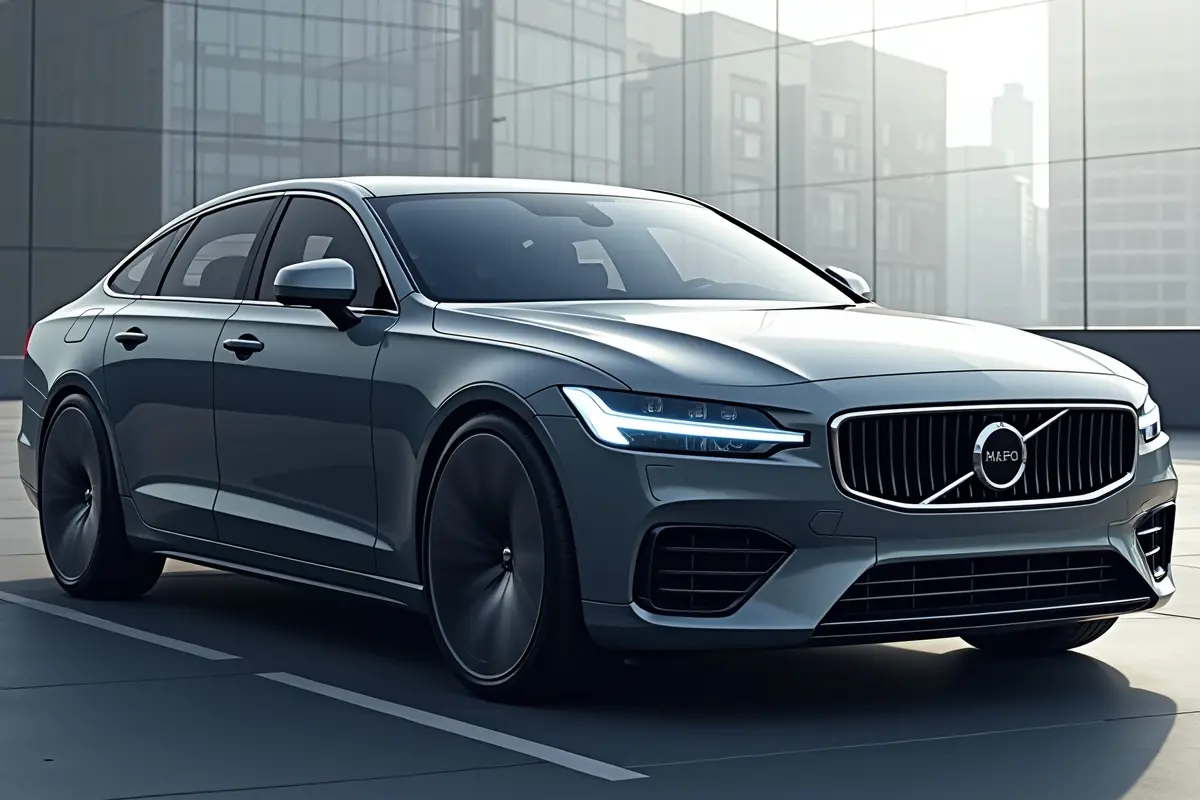
Gulfport drivers contend with bright coastal sun, humid summers, sudden rain, road grit, salt air, and busy routes connecting the Mississippi Gulf Coast. Choosing ceramic coating for cars in Gulfport, MS, window film, or paint protection film should start with the conditions your vehicle faces most often, not simply the darkest tint or the shiniest finish.
A useful protection plan improves day-to-day comfort while helping preserve paint, trim, upholstery, and glass. Whether the vehicle is used for commuting along Highway 49, family trips toward Biloxi, or frequent highway travel beyond the Coast, the best option depends on heat exposure, parking habits, mileage, vehicle condition, and maintenance preferences.
Why Vehicle Protection Deserves More Thought in Gulfport
Sunlight can heat a parked cabin quickly, while humidity, rainwater, insects, tree sap, and airborne grime can make exterior care more demanding. On heavily traveled roads, loose aggregate, sand, and debris can strike the front bumper, hood edge, mirrors, and rocker panels. Small chips and stains may seem cosmetic at first, but neglected damage can make a vehicle harder to keep clean and may expose paint to further wear.
For Gulfport owners, a practical approach is to identify the vehicle’s biggest issue first. It may be afternoon glare, a hot rear seat, frequent bug residue, fading interior surfaces, or stone chips from highway driving. That focus keeps the investment proportionate to the vehicle and its real-world use.
Drivers searching for automotive ceramic coating near me should compare preparation, coverage, aftercare requirements, and product purpose. A coating can be valuable for easier cleaning, but it cannot provide the same defense against flying debris as a physical paint protection film.
Window Film Is More Than a Darker Look
Automotive window film is a thin, layered material applied to the inside of vehicle glass. It can support glare reduction, privacy, cabin comfort, and interior protection. It may also help drivers who spend long hours in the sunlight. Guidance on car window tint and UV protection notes that clear UV-blocking film can provide substantial UV protection, so a very dark appearance is not the only route to a more comfortable cabin.
How Common Film Types Compare
- Dyed film: A basic choice for privacy, appearance, and some glare reduction. It is often budget-friendly but can fade over time.
- Metalized film: Uses metallic elements to reflect solar energy and may offer stronger heat control. Some products can affect electronic signals, so compatibility matters.
- Carbon film: Offers a balanced, non-reflective appearance with stable color and moderate heat rejection.
- Ceramic film: A premium option designed for strong heat rejection without requiring an extremely dark shade. It can suit drivers who value visibility and comfort.
When comparing products, ask for visible light transmission, heat-rejection performance, and UV-rejection specifications. A lighter ceramic film may provide better heat control than a darker basic film, which is especially useful for Gulfport drivers who want daylight visibility without sacrificing comfort.
Confirm Tint Rules Before Selecting a Shade
Visible light transmission, often called VLT, describes how much visible light passes through the finished window. Factory privacy glass plus aftermarket film can create a darker final result than expected. Windshields, front side windows, and rear glass can also be subject to different limits. Federal glazing guidance explains how light-transmission standards apply to vehicle glass, while states regulate the operational use of vehicles on their roads through their own rules. Mississippi drivers should verify current state requirements before installation.
Where Paint Protection Film Makes the Most Sense
Paint protection film, often called PPF, is a clear urethane layer applied over painted surfaces. It is designed for impact-prone areas, making it a sensible consideration for vehicles that regularly encounter Gulf Coast road debris, highway construction zones, bugs, road tar, and sand.
Popular coverage choices include:
- Front bumper and leading hood edge for direct debris impacts.
- Side mirrors, which often collect chips on highway routes.
- Rocker panels and lower doors, where tires throw grit and moisture.
- Door edges and handle cups, where routine use can create light marks.
Partial coverage may be enough for an older daily driver. A full-front package can make more sense for a newer vehicle, a recently corrected paint finish, or a vehicle that sees frequent interstate mileage.
Ceramic Coatings and PPF Serve Different Jobs
A ceramic coating creates a slick, water-repelling surface that can make washing easier and help reduce how strongly dirt and water spots cling to paint. It can improve gloss and simplify regular upkeep, which is useful in a humid coastal environment. However, it does not stop most rock chips or replace PPF in impact zones.
- Choose PPF when chip resistance and physical protection are the priority.
- Choose a ceramic coating when easier washing, gloss, and water behavior are the priority.
- Use both when protecting vulnerable front-end panels and simplifying care across the rest of the vehicle.
Protect the Interior, Too
Dashboard materials, door panels, leather, vinyl, cloth, and trim all benefit from consistent care. Use a windshield sunshade when parked for extended periods, clean spills and sunscreen residue promptly, and select cleaners made for the specific interior material. Window film can help manage light and heat, but it does not eliminate the need for regular cleaning and conditioning.
Choose a Package That Fits Your Driving Style
Daily Commuters and Families
Prioritize legal VLT, glare control, clear nighttime visibility, rear-seat comfort, and manageable maintenance. A quality film and regular interior care may provide the most meaningful improvement.
Highway Drivers and Enthusiasts
Focus on front-end PPF coverage, durable window film, prompt bug removal, and careful washing. Enthusiasts may also benefit from paint correction before applying film or a coating, since protection will not hide deep scratches, peeling clear coat, or failed trim.
Care Steps and Common Mistakes to Avoid
Follow the curing instructions before lowering tinted windows or washing newly protected surfaces. Use clean microfiber towels, non-abrasive cleaners, and gentle wash methods. Remove bird droppings, bugs, sap, and tar promptly, and avoid aiming a pressure washer directly at film edges.
Common mistakes include choosing tint by shade alone, ignoring state rules, expecting ceramic coating to prevent chips, applying products over damaged paint, and skipping maintenance after installation. Ask about the exact materials used, final VLT, covered panels, warranty terms, and recommended cleaning products before any work begins.
Final Decision Checklist
- Identify whether heat, glare, chips, stains, fading, or cleaning time is the biggest concern.
- Match window film performance to Gulfport sunlight and your preferred visibility level.
- Select PPF coverage based on mileage and exposure to debris.
- Use ceramic coating for easier routine care, not as a replacement for film protection.
- Confirm Mississippi tint requirements and follow all product care instructions.
The right vehicle protection plan for Gulfport, Mississippi, is one that reflects how and where the vehicle is driven. Thoughtful choices can improve comfort on hot coastal days, reduce wear from high-traffic roads, and make routine ownership easier for years to come.