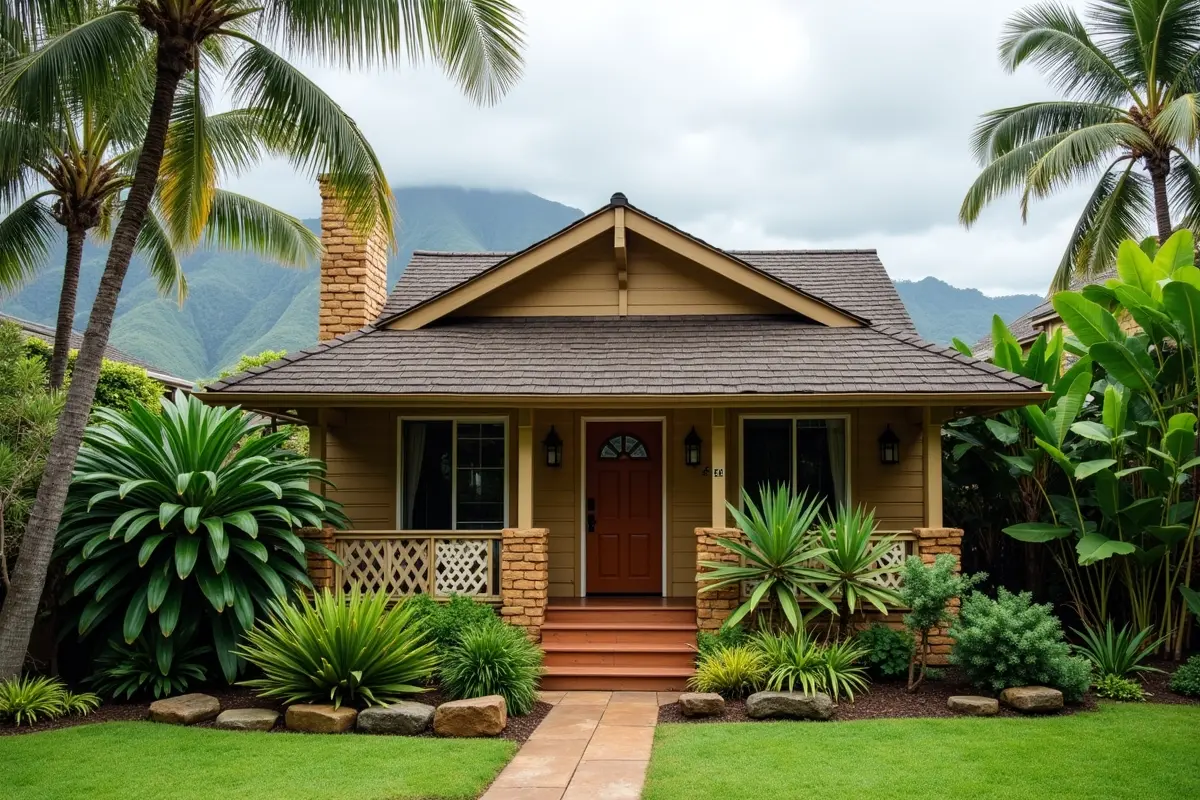
Buying on Oahu is about choosing a daily life as much as choosing a house or condo. A larger home can lose its appeal if it adds a difficult commute, limited parking, higher upkeep, or long drives for groceries and appointments. In contrast, a smaller place near work, transit, beaches, parks, or family may provide a more comfortable fit. For buyers who want local perspective while narrowing their search, Honolulu, HI, real estate experts Team Hawaii Real Estate provides property search tools, valuation guidance, buyer resources, and neighborhood information.
Team Hawaii Real Estate is a Honolulu-based team with more than two decades of local experience and a focus on areas including Waikiki, Kailua, Kaneohe, Kakaako, Kapolei, Hawaii Kai, and other Oahu communities, making its insight useful when comparing the practical differences between locations.
Why the Neighborhood Matters as Much as the Home
Two homes with similar asking prices can create very different ownership experiences. One may be close to employment centers and everyday services, while the other may require more time behind the wheel. A condo may include exterior maintenance in its fees, while a single-family property may require the owner to budget directly for a roof, drainage, landscaping, and repairs.
Consider a buyer deciding between a larger home farther from Honolulu and a compact condo closer to work. The larger option may provide more interior space, but the closer property could reduce travel time and fuel use while making weekday errands easier. Neither choice is automatically better. The goal is to identify which trade-offs match the buyer’s priorities.
Start With a Clear Buying Profile
Create a one-page list before touring properties. This keeps the search focused when a view, renovated kitchen, or competitive listing creates pressure.
- Target purchase price and a comfortable all-in monthly payment.
- Preferred property type, such as condo, townhome, single-family home, or multi-unit property.
- Maximum acceptable commute time and required parking or storage.
- Need for elevators, accessibility features, outdoor space, pets, or room for visitors.
- Access to schools, medical care, groceries, transit, parks, beaches, and regular activities.
- Likely ownership period and possible changes involving remote work, children, or aging relatives.
Compare Oahu Neighborhoods by Lifestyle Fit
Urban Honolulu
Areas such as Kakaako, Waikiki, and portions of Honolulu can suit buyers who value walkability, dining, shopping, high-rise living, and proximity to downtown employment. Building rules, parking, association finances, and whether a unit is fee simple or leasehold deserve careful review.
Established Residential Areas
Neighborhoods with older homes may offer mature streets, established landscaping, and varied architectural styles. They can also require closer inspection of roofing, plumbing, electrical systems, drainage, termite history, and deferred maintenance.
Windward, Central, and West Oahu
Windward communities such as Kailua and Kaneohe appeal to buyers seeking lush scenery and outdoor access, while rainfall and commute routes should be part of the analysis. Central Oahu can offer practical access to major roads, services, and military installations. West Oahu communities, including Kapolei and Ewa-area neighborhoods, may offer newer development and additional space, but buyers should personally test travel times to their most frequent destinations.
Resort-Oriented Areas
In resort and visitor-oriented locations, confirm rental restrictions, occupancy rules, association fees, and the effect of visitor activity on the building and surrounding area. Do not assume that a property can be rented short-term simply because it is near a resort.
Build a Realistic Monthly Cost Estimate
List price is only the starting point. For each home under consideration, estimate the same categories:
- Mortgage principal and interest.
- Property taxes and homeowners or condo insurance.
- Flood insurance, when required or chosen for added protection.
- Association or maintenance fees, plus any known assessments.
- Utilities, routine repairs, landscaping, and reserve savings for larger maintenance.
- Parking, fuel, transit costs, and the personal cost of commute time.
The 2026 statewide housing factbook findings show why this exercise matters. Condo affordability improved in some measures, but rising association fees and insurance costs can offset part of that improvement. A home that fits the loan approval amount may still be an uncomfortable fit once all recurring costs are factored in.
Check Flood Exposure and Insurance Costs
Flood exposure is property-specific. Check the exact address, ask about past flooding or water intrusion, observe road grade and drainage paths, and request insurance quotes early enough to inform your decision. Standard homeowners’ insurance typically does not cover flood damage.
Oahu’s updated FEMA flood maps became effective on June 10, 2026. The City and County of Honolulu explains that properties newly mapped into a Special Flood Hazard Area may face flood insurance requirements from lenders with federally backed mortgages, so review the current flood map guidance for Oahu properties before contingencies expire.
Test the Commute and Daily Errands
- Drive the route during morning and evening rush periods.
- Try an alternate route and note where congestion builds.
- Time trips to work, school, family, medical appointments, and regular activities.
- Locate groceries, pharmacies, gas stations, transit stops, and urgent care options.
- Visit on a weekday and weekend to notice noise, lighting, visitor parking, and construction activity.
Compare Property Types and Building Condition
Condos require review of association budgets, reserve studies, insurance, rules, repairs, and possible assessments. Townhomes call for clarity about shared walls, exterior responsibility, and parking. Single-family homes deserve close attention to roof condition, drainage, electrical and plumbing systems, termites, and landscaping. For multi-unit homes, review leases, permits, zoning, expenses, and income records. New construction still requires research into the builder, warranty, completion timeline, and any nearby planned developments.
Use Local Market Data With Care
Active listings show what sellers hope to receive, not necessarily what buyers have paid. Compare recent closed sales with similar locations, conditions, sizes, parking, views, and property types. Separate condo data from single-family data, and distinguish move-in-ready homes from those needing major work. Also review days on market, price changes, and sale-to-list-price patterns without treating citywide figures as a verdict on one address.
Create a Neighborhood Scorecard
Score three to five neighborhoods from one to five, then apply the same weights to each option:
- Monthly cost, 25%: Mortgage, taxes, insurance, fees, utilities, and transportation.
- Commute, 20%: Rush-hour timing, route choices, parking, and transit.
- Property condition, 15%: Repairs, systems, drainage, and maintenance demands.
- Daily convenience, 15%: Essentials, recreation, schools, healthcare, and family access.
- Insurance and risk, 15%: Flood exposure, coverage options, moisture, and wind considerations.
- Resale fit, 10%: Layout, parking, location, and broad future buyer appeal.
Questions to Ask Before Writing an Offer
- What have closely comparable properties actually sold for?
- How long has the home been listed, and have there been price changes or prior offers?
- Are there known repairs, insurance claims, drainage concerns, permits, or assessments?
- What are the current association fees and restrictions on rentals, pets, renovations, parking, or occupancy?
- Which terms besides price may matter to the seller, including financing strength and closing date?
Final Checklist for Oahu Buyers
- Choose several neighborhoods and compare them with identical criteria.
- Calculate complete monthly ownership costs.
- Test realistic commutes and daily errands.
- Review flood exposure, insurance, disclosures, and inspection findings.
- Analyze recent closed sales and association documents.
- Write an offer based on verified facts and long-term fit, not first impressions.
The best Oahu neighborhood is the one that works reliably for your budget, schedule, and plans. A consistent comparison process helps reveal the trade-offs that can be easy to overlook during an emotional home search.